
Cooking is more than just a means of preparing meals; it offers valuable lessons applicable to everyday life. Skills such as patience, creativity, and adaptability emerge in the kitchen, shaping how one approaches challenges outside of cooking. Learning to blend flavors mirrors the necessity of collaboration and compromise in personal and professional relationships.
The process of following recipes highlights the importance of structure while also allowing room for improvisation. Just as a cook may add their own twist to a dish, individuals can adapt strategies when faced with unexpected situations. This flexibility fosters resilience and can lead to innovative solutions in various aspects of life.
Furthermore, cooking teaches the significance of meticulous preparation and time management. Understanding how to prioritize tasks in a bustling kitchen translates to better efficiency in everyday activities. Mastering the art of cooking not only fuels the body but also cultivates skills that enhance overall daily living.
Core Life Lessons Gained from Cooking
Cooking teaches valuable lessons that extend beyond the kitchen, emphasizing planning, patience, and adaptability. These skills can enhance daily life, improving both personal and professional experiences.
Planning and Organization Through Recipes
Successful cooking begins with planning and organization. A well-structured recipe serves as a blueprint, detailing ingredients and steps. This meticulous approach can translate to effective time management in other areas of life.
Setting a timeline is essential. By allocating specific times for preparation, cooking, and cleanup, individuals can maximize efficiency. Creating a checklist can ensure every step is completed, reducing stress and mistakes.
Planning meals in advance can also promote healthier eating. Shopping lists based on planned recipes help avoid impulsive purchases, fostering mindfulness in decision-making. This organized mindset can create a harmonious environment in both cooking and daily living.
Embracing Patience and Timing
Cooking often requires patience and precise timing. Certain ingredients take longer to cook, and rushing can lead to undesirable results. This principle applies to life situations that demand careful consideration and timing.
For example, marinating meat or simmering sauces allows flavors to develop fully. Similarly, patience in personal growth often yields richer rewards. Learning to wait for the right moment can lead to better decision-making.
Utilizing timers can aid in managing cooking tasks. Monitoring time teaches the importance of pacing in various life scenarios, emphasizing that some outcomes cannot be rushed.
Improvisation and Flexibility in the Kitchen
Creativity plays a crucial role in cooking. Ingredients may not always be available, requiring improvisation. This flexibility encourages individuals to adapt and innovate, which is a valuable skill outside the kitchen.
Substituting ingredients can lead to unexpected and delicious results. For instance, using yogurt instead of sour cream can enhance a dish. Embracing change cultivates resilience, allowing for effective problem-solving.
Mistakes in cooking are often opportunities for growth. Learning to adjust when things don’t go as planned fosters a positive attitude towards challenges. This resilience develops confidence in navigating life’s uncertainties.
Building Character and Relationships Through Cooking
Cooking offers valuable lessons in building character and fostering relationships. It serves as a platform for teamwork, empathy, and resilience, helping individuals develop essential life skills that extend beyond the kitchen.
Teamwork and Communication in Meal Preparation
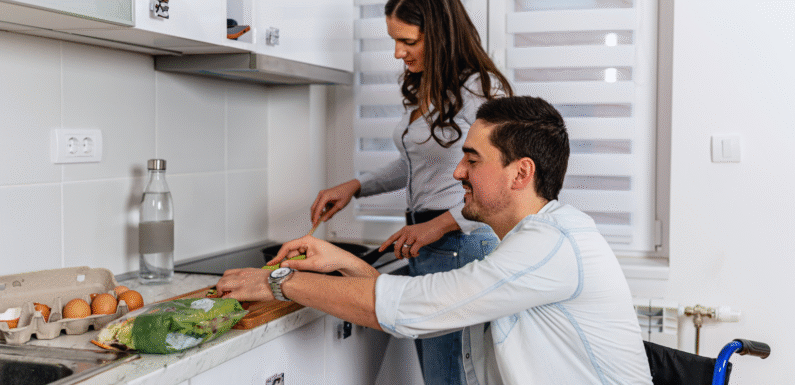
In the kitchen, teamwork is crucial. Multiple tasks often occur simultaneously, requiring collaboration to achieve a common goal. Chefs learn to communicate effectively, whether passing ingredients or coordinating cooking times.
For example, assigning specific roles can streamline meal preparation. One person may chop vegetables while another handles the protein. This division of labor encourages respect for each other’s contributions and builds a sense of partnership.
Effective communication can also lead to better problem-solving. If a recipe doesn’t go as planned, team members need to discuss potential solutions quickly. This adaptability strengthens bonds and cultivates a supportive environment.
Empathy and Sharing with Others
Cooking can evoke strong emotions, creating spaces for empathy. Preparing a meal often reflects an understanding of another’s preferences, dietary restrictions, or traditions. This attention fosters a deeper connection between the cook and the recipient.
Sharing food amplifies this empathy. When individuals gather around a table, they experience moments of joy and togetherness. Celebrating occasions with home-cooked meals reinforces relationships, illustrating the importance of companionship and love.
Additionally, cooking can be an act of service. Offering a homemade dish to someone in need demonstrates care and consideration. Such gestures enhance emotional bonds and enrich interpersonal interactions.
Resilience and Learning from Mistakes
Culinary endeavors often come with challenges. Burning a dish or miscalculating ingredients can frustrate even seasoned cooks. These moments exemplify the importance of resilience.
Mistakes in cooking provide valuable learning opportunities. By analyzing what went wrong, individuals develop problem-solving skills and adaptability. This mindset fosters personal growth, encouraging them to take risks in future attempts.
Moreover, embracing failure in the kitchen can translate to everyday life. It teaches perseverance, reminding individuals that setbacks are part of any learning journey. Celebrating incremental progress can motivate continued effort in both cooking and personal development.
Cultivating Creativity and Self-Discovery
Cooking provides a unique avenue for exploring creativity and uncovering personal preferences. By engaging with different ingredients and flavors, individuals can express themselves while gaining insight into their tastes.
Experimenting with Ingredients and Flavors
Experimentation is an essential aspect of cooking that fosters creativity. By trying new ingredients, such as exotic spices or seasonal produce, individuals can discover unexpected flavor combinations. This process encourages boldness in both the kitchen and daily life.
For instance, mixing cumin with sweet potatoes can result in a distinct culinary experience. Incorporating various textures, like crunchy nuts with creamy sauces, enhances the overall dish. This willingness to experiment leads to personal growth and boosts confidence in decision-making.
Moreover, he or she learns to embrace mistakes as part of the creative journey. A dish might not turn out as expected, but it often leads to new ideas for future recipes. Such resilience contributes to one’s ability to navigate challenges outside the kitchen.
Discovering Personal Taste and Preferences
As individuals explore various cooking techniques, they gain a clearer understanding of their tastes. They may find that they prefer certain spices over others, such as favoring basil in Italian dishes or leaning towards chili in Mexican cuisine.
This discovery process is not just about what to cook but also about self-awareness. He or she might realize they enjoy fresh, light flavors over rich, heavy ones. This insight can influence choices beyond food, affecting other areas such as hobbies and interests.
Additionally, keeping a food journal can be beneficial. Recording what they enjoyed or disliked helps track preferences over time. This practice enhances culinary skills while deepening the connection to personal identity.
