
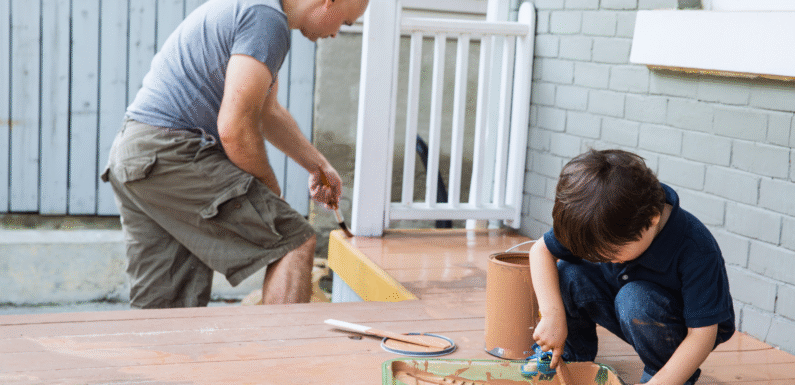
Shared hobbies can play a crucial role in enhancing home life. Engaging in activities together fosters communication, strengthens bonds, and creates lasting memories. When families and partners participate in mutual interests, they cultivate a supportive environment that encourages teamwork and cooperation.
Participating in shared hobbies allows individuals to spend quality time together, reducing stress and increasing overall happiness. It provides an opportunity for light-hearted interaction and can transform routine days into exciting experiences. Building a collective interest enriches relationships, making home life more fulfilling.
Moreover, exploring new hobbies as a family can open doors to discovering hidden talents and interests. This joint exploration not only broadens perspectives but also instills a sense of belonging among family members. Transforming individual passions into shared experiences often leads to enhanced emotional connections and a more harmonious household.
The Impact of Shared Hobbies on Home Life
Engaging in shared hobbies fosters deeper connections among family members and enhances their understanding of one another. This engagement leads to stronger emotional bonds, improved communication, and better mental health for everyone involved.
Building Emotional Bonds
Shared hobbies create an environment for family members to spend quality time together. Through activities like cooking, gardening, or playing sports, individuals can express themselves and connect on a personal level.
These experiences cultivate empathy as family members learn to appreciate each other’s perspectives. Bonding over a common interest can lead to laughter, joy, and a sense of belonging. Emotional bonds formed through these activities contribute significantly to relationship satisfaction, making home life more fulfilling.
Enhancing Mutual Understanding
Participating in hobbies together helps family members develop a mutual understanding of each other’s strengths and preferences. As they engage in various interests, individuals can communicate their needs and feelings more effectively.
Communication skills improve when families work together toward a common goal. This may involve resolving conflicts or celebrating achievements, promoting a supportive atmosphere. Ultimately, shared hobbies facilitate discussions that deepen relationships and build trust.
Supporting Well-Being and Mental Health
Engaging in shared hobbies can significantly benefit mental health and well-being. Participation in enjoyable activities reduces stress and promotes a positive mood.
When families prioritize such time together, they can create routines that promote mental wellness. Activities like reading, crafting, or playing musical instruments can enhance feelings of relaxation and happiness. The shared joy derived from these pursuits can lead to a healthier, more positive home environment.
Popular Shared Hobbies That Strengthen Relationships
Shared hobbies can enhance relationships by promoting teamwork, communication, and fun. Engaging in activities like cooking, playing games, gardening, and exploring the outdoors creates opportunities for bonding.
Cooking and Culinary Activities
Cooking together fosters collaboration and creativity. Couples or families can explore new recipes, experiment with flavors, and learn about different cuisines. This activity not only nourishes their bodies but also strengthens their emotional connection.
Setting up themed dinner nights can make the experience more engaging. For instance, they could prepare Italian one week and Asian the next. Cooking promotes sharing responsibilities, teaching individuals to work together effectively in the kitchen.
Cleaning up afterward can even become a playful extension of the activity. Having meaningful conversations while handling chores can deepen their connection.
Engaging in Board Games
Board games offer an excellent platform for friendly competition and strategic thinking. They encourage laughter, conversation, and shared experiences. Families and friends can bond over classic games like Monopoly, Scrabble, or modern ones like Codenames.
Playing board games requires players to communicate and strategize, enhancing teamwork skills. It becomes a shared goal to win, making each game night memorable.
Additionally, introducing new games can spark interest and excitement. Expanding game collections invites innovative experiences and discussions, further strengthening relationships.
Gardening Together
Gardening cultivates patience and teamwork. It allows individuals to connect with nature and with each other. Working on a garden requires planning, planting, and nurturing, reflecting the care needed in relationships.
Couples or families can start with simple plants or herbs. This manageable approach provides a sense of achievement as they see their efforts flourish.
Sharing responsibilities like watering or weeding fosters reliance on one another. The physical aspect of gardening also promotes fitness, ensuring both mental and physical health benefits.
Outdoor Adventures and Fitness
Exploring nature through hiking or outdoor sports brings people together. Engaging in physical activities enhances well-being and promotes teamwork. They can discover new trails or participate in activities like cycling or kayaking.
Outdoor adventures provide a break from daily routines, offering fresh perspectives. These shared experiences create lasting memories and stories to reminisce about.
Fitness activities, such as dancing or yoga classes, offer social interaction in a supportive environment. They encourage individuals to motivate each other, fostering deeper connections through shared goals and achievements.
Key Benefits of Participating in Activities Together
Engaging in shared activities can significantly enhance communication, teamwork, and emotional bonds within a household. The following benefits illustrate how participating in activities together can create a more harmonious home life.
Improved Communication Skills
Actively participating in activities requires open and ongoing dialogue. Whether it’s discussing strategies for a game or sharing thoughts during a cooking session, communication becomes essential.
This environment fosters an atmosphere where individuals feel comfortable expressing ideas and concerns. Regular collaboration in these activities enhances verbal and non-verbal communication skills.
As family members navigate both successes and challenges, they improve their ability to articulate thoughts and sentiments clearly. Such exchanges lead to a deeper understanding among participants and create a foundation for effective communication in daily life.
Boosting Teamwork and Collaboration
When families engage in activities, they learn to work as a cohesive unit. Whether it’s gardening, building a project, or participating in sports, these pursuits require cooperative efforts.
Teamwork strengthens relationships by teaching members to rely on one another. Each individual brings unique strengths, contributing to overall success.
As they collaborate, they practice dividing tasks, supporting one another, and celebrating achievements. This practice enriches connections and builds a sense of shared accomplishment, reinforcing the family’s unity.
Promoting Conflict Resolution
Participating in shared activities can also help family members develop essential conflict resolution skills. Disagreements may arise during games or projects, necessitating compromise and negotiation.
Through these experiences, individuals learn to address issues without escalating tensions. The structured environment of activities allows for constructive problem-solving.
As family members learn to discuss differing opinions and find common ground, they establish healthier ways to handle disputes. This skill can translate into smoother interactions in daily life and strengthen ties among family members.
Increasing Intimacy and Relationship Satisfaction
Shared activities offer opportunities for emotional intimacy to grow. Engaging in enjoyable experiences together fosters a bond that deepens trust and affection.
Spending quality time focused on activities creates lasting memories, reinforcing positive feelings. This interaction enhances relationship satisfaction by providing a shared sense of purpose and joy.
As individuals connect through these experiences, they become attuned to each other’s needs and preferences. This emotional intimacy leads to a stronger foundation for future interactions, enhancing overall relationship quality.
Tips for Choosing and Cultivating Shared Hobbies at Home
Selecting hobbies that resonate with both individuals in a household is crucial. Shared interests can enhance relationships and promote quality time together. The following strategies serve as a guide to identify and nurture these hobbies effectively.
Identifying Common Interests
Assessing mutual interests is essential for selecting hobbies. A conversation about activities each person enjoys can reveal surprising overlaps. They might discover common ground in activities like reading, learning a new language, or even traveling together.
Creating a list can help visualize these interests. They could ask questions like:
- What activities did we love as kids?
- What hobbies have we always wanted to try?
- How can we incorporate physical health into fun activities?
Consider community resources or online platforms to spark ideas. Engaging in shared interests fosters personal connections and encourages growth.
Trying New Experiences Together
Exploring new activities together cultivates excitement and strengthens bonds. Trying unfamiliar hobbies can lead to memorable experiences. Volunteering as a pair, for example, can enhance feelings of teamwork and empathy.
They can consider sports, cooking classes, or art workshops. Schedule these adventures regularly to create anticipation.
Making a commitment to try a hobby for a set period ensures they don’t give up too soon. Documenting progress or attending classes can further enhance the experience. This shared exploration builds trust and communication.
Balancing Individual and Shared Activities
It is vital to maintain a balance between shared hobbies and individual pursuits. Each person should have time for personal interests to foster independence. They can support each other’s activities, ensuring both feel valued.
Setting aside specific times for shared hobbies, such as reading together or participating in a sport, can help. It’s also worth exploring how to integrate individual interests into joint activities. They might enjoy cooking a favorite dish from a culture related to their language lessons.
Encouraging each other’s personal growth creates a more fulfilling environment. This approach fosters a harmonious blend of togetherness and personal space.
