
Creating a stress-free home environment can significantly enhance family well-being. Establishing simple, family-friendly habits helps reduce daily stress and fosters a more peaceful atmosphere. Small changes in daily routines can make a big difference in how family members interact and support each other.
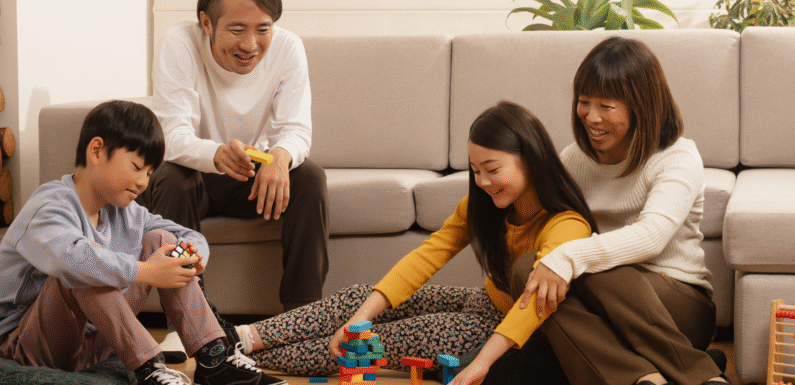
Effective communication plays a crucial role in maintaining harmony at home. Encouraging open discussions about feelings and concerns allows families to address issues before they escalate. Incorporating shared activities, such as family meals or game nights, can strengthen bonds and create a supportive network.
In addition, creating organized spaces and routines can alleviate feelings of chaos. Designating specific areas for toys, homework, and other activities helps keep the home tidy, which can lead to a calmer mindset. Implementing these habits not only reduces stress but also sets a positive example for children as they grow.
The Importance Of Establishing Family-Friendly Home Habits
Creating positive home habits is essential for fostering a supportive environment that benefits all family members. Such routines can significantly lower stress levels and encourage healthy behaviors, particularly for children and teens. Establishing these habits helps develop resilience and coping mechanisms within the family unit.
How Home Routines Affect Stress Levels
Consistent home routines contribute to a stable environment, which can significantly reduce stress for both parents and children. Notably, predictable schedules help children feel secure and manage anxiety. Routines such as designated homework time or family meals create structure and stability.
Families that maintain a regular schedule often experience fewer conflicts. This structured environment can help alleviate chronic stress. Not only do these routines promote better time management, but they also allow family members to allocate time for relaxation and quality engagement with one another.
Encouraging Healthy Habits In Children And Teens
Promoting healthy habits is vital for the well-being of children and teens. Engaging in regular family activities, like cooking nutritious meals together or outdoor exercise, fosters a sense of teamwork and responsibility. This involvement instills positive dietary and physical habits that can last a lifetime.
Incentives for participation in these healthy routines further enhance motivation. Simple rewards like praise or small privileges can encourage ongoing engagement. Additionally, teaching children about the benefits of healthy living at an early age lays the groundwork for them to make informed choices as they grow.
Building Courage And Coping Skills As A Family
Coping skills are crucial for navigating life’s challenges. Establishing family routines allows members to learn and practice these skills together. For instance, handling stress through group activities like mindfulness exercises or open discussions equips children and teens with essential tools for resilience.
Encouraging family members to express their emotions can also foster courage. Engaging in role-playing or creative projects can help them confront their fears and develop confidence. As they build these skills together, families create a solid support system that enhances emotional intelligence and robustness in facing life’s difficulties.
Daily Practices For Reducing Stress At Home
Incorporating daily practices that focus on physical activity, nutrition, and consistent sleep routines can effectively reduce stress at home. These habits not only promote physical health but also help regulate stress hormones.
Physical Activity And Movement Breaks
Engaging in regular exercise is essential for stress management. Physical activity increases endorphins, which are natural mood lifters.
- Movement breaks can be short bursts of any activity, such as a brisk walk, stretching, or dancing around the living room.
- Incorporating 30 minutes of moderate exercise on most days can significantly lower stress levels.
Setting reminders for movement breaks every hour can foster a proactive environment. Creating a family workout routine can also strengthen bonds and promote shared physical health goals.
Nutrition To Support Stress Management
Proper nutrition plays a crucial role in managing stress. Certain foods can help reduce stress hormones and support overall mental well-being.
- Focus on whole foods like fruits, vegetables, whole grains, lean proteins, and healthy fats.
- Nutrients like omega-3 fatty acids, found in fish, can lower anxiety levels, while antioxidants found in berries can protect against stress-related damage.
Staying hydrated is also vital for maintaining energy levels and mood stability. Planning family meals that include stress-reducing foods can cultivate healthy eating habits together.
Consistent Sleep And Relaxation Routines
Establishing a consistent sleep schedule is vital for mental and physical health. Quality sleep helps regulate stress hormones and enhances mood.
- Aiming for 7-9 hours of sleep per night is recommended for most adults.
- Implementing a relaxing bedtime routine, which may include reading or meditation, can signal the body to prepare for rest.
Encouraging family members to wind down together can create a peaceful atmosphere conducive to relaxation. Prioritizing sleep hygiene, such as limiting screen time before bed, further enhances the quality of sleep.
Mindfulness And Emotional Coping Strategies For Families
Incorporating mindfulness and emotional coping strategies into family routines can significantly reduce stress levels. These practices foster awareness and resilience, benefiting every family member.
Meditation And Deep Breathing Techniques
Meditation and deep breathing are effective methods for stress reduction. Families can set aside time daily for meditation, turning a shared space into a calming environment. Simple techniques include focusing on breath or employing guided meditation apps tailored for families.
Deep breathing exercises can also be practiced together. Encourage deep inhalations through the nose, holding for a moment, and exhaling slowly through the mouth. This practice can help children understand their emotions better and develop self-regulation skills.
Guided Visualization And Relaxation
Guided visualization is another impactful tool for families. By imagining peaceful scenarios, families can escape from daily stressors. Parents can lead children through vivid descriptions of calming places, such as beaches or forests.
Incorporating relaxation exercises after visualization enhances benefits. Families can spend a few minutes each day doing this together. Engaging in visualization helps kids learn to redirect their thoughts, creating a buffer against stressors.
Reading And Journaling Together
Sharing reading time can create strong family bonds and provide a calming routine. Families may choose books that promote discussion about feelings and emotions. This practice encourages empathy and understanding among family members.
Journaling together can be equally beneficial. Families can establish a routine where each member reflects on their day, noting both challenging and joyful moments. Sharing these reflections fosters open communication and builds emotional literacy.
Practical Techniques For Managing Anxiety
Teaching practical techniques for managing anxiety is essential for families. One effective method is recognizing and labeling feelings. Families can create a feelings chart, aiding children in identifying emotions throughout the day.
Setting routines also contributes to lowering anxiety levels. Consistent schedules provide a sense of security for children. Additionally, practicing problem-solving techniques together can empower children to tackle adversity confidently.
These strategies are integral in developing emotional intelligence and resilience within families. Encouraging discussions around coping techniques builds a supportive environment, reducing stress and anxiety.
Creating A Safe And Supportive Home Environment
A safe and supportive home environment fosters better coping skills and healthy habits. This atmosphere encourages family members to express themselves and feel secure, ultimately reducing stress.
Fostering Open Communication
Creating an environment of open communication is essential. Family members should feel comfortable sharing their thoughts and feelings without fear of judgment. To promote this, regular family meetings can be held where everyone has the opportunity to speak. Active listening is crucial; family members should practice reflecting on what is said to show understanding.
Additionally, using clear and non-confrontational language can help in discussing concerns. This establishes trust and makes it easier for individuals to express their emotions, thus decreasing overall stress levels.
Ensuring Physical And Emotional Safety
Physical and emotional safety are fundamental to a supportive home. Homes should be free from hazards—sharp objects, unstable furniture, and toxic substances should be stored safely. Emotional safety involves respecting each person’s feelings and opinions. Family members should be encouraged to acknowledge and validate each other’s emotions.
Creating a designated safe space where family members can retreat for privacy or solitude can help. This space should be calming and free from distractions, allowing individuals to manage stress effectively.
Setting Healthy Boundaries For Every Family Member
Setting healthy boundaries is vital for maintaining respect among family members. Each individual should define what is acceptable for them in terms of space, time, and emotional availability. To implement this, families can establish clear rules regarding personal space and privacy. Family members should openly communicate their needs and limitations to prevent misunderstandings.
Regular check-ins about these boundaries will help ensure they remain respected. This practice nurtures mutual respect and reinforces individual autonomy, contributing to a more harmonious household that effectively manages stress.
