
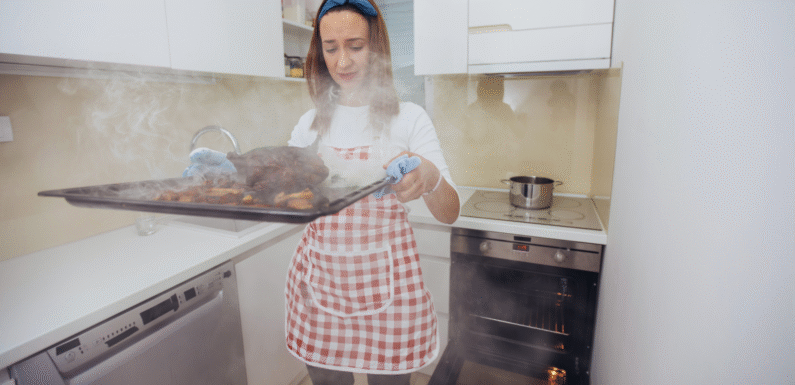
In the kitchen, experimentation often leads to both triumphs and failures. Many home cooks learn valuable lessons through their missteps, gaining insight that significantly enhances their skills. Failing at a recipe can provide more important lessons than outright success, paving the way for improvement and greater confidence.
Mistakes in cooking can stem from various sources, such as misreading a recipe, overlooking ingredient substitutions, or miscalculating cooking times. Each of these mishaps teaches essential lessons about attention to detail and adaptability in the kitchen. By reflecting on these experiences, cooks can develop a deeper understanding of flavors and techniques.
The journey through culinary challenges fosters resilience and creativity. Each failure encourages a re-evaluation of methods and inspires new approaches to familiar recipes. Ultimately, embracing the lessons from kitchen failures can lead to a more rewarding cooking experience.
The Value of Failure in the Kitchen
Failure in the kitchen offers valuable learning experiences that enhance cooking skills and foster creativity. By embracing mistakes and setbacks, individuals can develop resilience and improve their culinary approaches. Renowned chefs frequently illustrate these points through their journeys in the culinary world.
Embracing Mistakes as Learning Opportunities
Mistakes in cooking serve as critical learning opportunities. When a dish does not turn out as expected, it can help chefs and home cooks alike analyze their methods.
For example, over-seasoning a dish can lead to an understanding of the importance of balance in flavors. Learning from these errors encourages experimentation. This trial and error fosters creativity and opens doors to new culinary ideas, leading to unique dishes that may not have been conceived otherwise.
Resilience Through Setbacks
Setbacks in the kitchen can be daunting, but they cultivate resilience. When a chef faces a culinary failure, the immediate reaction may be frustration.
Yet, overcoming these challenges can lead to stronger problem-solving skills. For instance, if a soufflé collapses, the cook must evaluate what went wrong. This process teaches adaptability, promoting persistence and resourcefulness in cooking.
Acknowledging these challenges helps to build confidence that enhances future cooking endeavors. Each setback can ultimately refine a chef’s techniques and elevate their capabilities.
Real-Life Examples from Chefs
Many famous chefs have spoken about their experiences with failure in the kitchen. Thomas Keller, a three-Michelin-star chef, often highlights early failures as pivotal moments in his career.
He learned that honing skills through missteps defined his culinary style. Similarly, Gordon Ramsay discusses how early struggles shaped his work ethic and helped him develop techniques that ensure success.
These examples underscore the critical link between failure and growth. Recognizing that even professionals encounter obstacles reinforces the notion that mistakes are invaluable in the pursuit of culinary excellence.
Fundamental Lessons Learned from Kitchen Failures
Learning from mistakes in the kitchen can yield valuable insights. Key lessons revolve around attention to detail, effective preparation, and the need for patience during the cooking process.
The Importance of Attention to Detail
Attention to detail is crucial in cooking. A small oversight, like inaccurate measurements or incorrect cooking times, can significantly impact the final dish. Chefs know that precision matters; even a pinch of salt can change the flavor profile.
Practical Tips:
- Always measure ingredients using the correct tools.
- Read recipes thoroughly before starting.
- Keep a close eye on cooking times and temperatures.
Missed details can lead to undercooked or burnt meals. By honing this skill, cooks can prevent mishaps and improve their overall performance.
Preparation and Organization
Effective preparation and organization streamline the cooking process. Misplaced ingredients or clutter can lead to confusion and errors. Professionals often emphasize the importance of mise en place, where everything—ingredients, tools, and utensils—is ready before starting.
Steps to Improve Organization:
- Gather all ingredients before cooking.
- Use labeled containers to keep things tidy.
- Organize the workspace for efficient movement.
This laid-back approach enables cooks to focus on execution rather than searching for items. A well-prepared kitchen facilitates smooth operations, minimizing the risk of recipe failures.
Patience in the Cooking Process
Cooking often requires patience. Rushing through steps can yield disappointing results, as flavors need time to develop, and certain techniques must be performed correctly. Chefs advocate for allowing meals to progress at their own pace.
Key Practices:
- Allow marinades to sit for an adequate time.
- Resist the urge to lift lids during simmering.
- Focus on low and slow cooking methods when needed.
This patience helps in achieving better textures and flavors. Cooks who embrace the process are likely to enjoy enhanced outcomes in their culinary adventures.
Mastering Improvement: Growth Through Trying and Failing
Mistakes in the kitchen provide valuable opportunities for growth. Adapting to failures, seeking feedback, and prioritizing continuous learning are critical for anyone looking to enhance their culinary skills.
Adapting and Improvising When Plans Go Awry
Kitchen mishaps often prompt a need for quick adjustments. A recipe might not turn out as expected due to ingredient substitutions, cooking times, or techniques.
Chefs refine their skills through trial and error, learning that improvisation can lead to unique and enjoyable dishes. For example, using leftover ingredients to create a new meal can reveal unexpected flavors.
Techniques such as flavor balancing and adjusting temperatures can help salvage a dish, transforming initial failures into successes. This mindset fosters creativity and resilience, essential traits for any cook.
Seeking and Using Constructive Feedback
Feedback is an invaluable tool for growth in culinary endeavors. Engaging with peers, mentors, or even family can provide perspectives that highlight areas for improvement.
Chefs often benefit from tasting sessions where they gather opinions on flavor profiles and presentation. Constructive criticism helps identify strengths and weaknesses, guiding future cooking attempts.
Utilizing feedback involves active listening and a willingness to adjust one’s techniques or recipes. Over time, this practice can dramatically enhance a chef’s skills and confidence.
Continuous Learning and Skill Development
The culinary field is ever-evolving, which necessitates ongoing education. Chefs should regularly seek resources such as online courses, cookbooks, or workshops to refine their techniques.
Experimentation with new cuisines or methods keeps one engaged and open to learning. By embracing a variety of cooking styles, individuals can discover new preferences and refine their skills.
Regular practice reinforces lessons learned from past mistakes. As they gain experience, chefs learn which strategies yield the best results, leading to a more profound understanding of their craft.
Applying Kitchen Lessons Beyond Cooking
Experiences in the kitchen provide valuable insights that can be applied to various aspects of life. Skills developed in cooking can translate to teamwork, recognizing achievements, and embracing new challenges.
Teamwork and Collaboration
In a professional kitchen, chefs rely heavily on collaboration to create successful dishes. Every member plays a vital role, from prep cooks to sous chefs and pastry chefs. This environment emphasizes effective communication and shared responsibility.
Applying these teamwork principles beyond cooking fosters a sense of unity in other settings, such as workplaces or community projects. Collaborative efforts enhance problem-solving and lead to innovative solutions. When individuals understand their roles and support each other, productivity increases, and goals are more easily achieved.
Celebrating Small Wins
In culinary endeavors, chefs often face setbacks. Recognizing small successes, such as perfecting a sauce or successfully baking bread, builds confidence and morale. These incremental achievements encourage persistence and resilience.
Translating this mindset to other areas of life allows individuals to appreciate progress, even if it seems minor. Celebrating small wins keeps motivation high and promotes a positive outlook. It can lead to greater satisfaction and help maintain momentum toward larger goals, whether in careers, personal projects, or learning new skills.
Staying Open to New Experiences
Chefs are frequently challenged by new recipes, techniques, and ingredients. Embracing these opportunities fosters creativity and adaptability in cooking. This willingness to experiment can yield delicious results, but it also teaches an important lesson: not every attempt will be successful.
Applying this openness to new experiences beyond the culinary world encourages individuals to step out of their comfort zones. Whether trying a new hobby, meeting new people, or exploring different cultures, embracing the unknown can lead to personal growth. Adapting to change enhances resilience and broadens perspectives, enriching one’s life experiences.
