
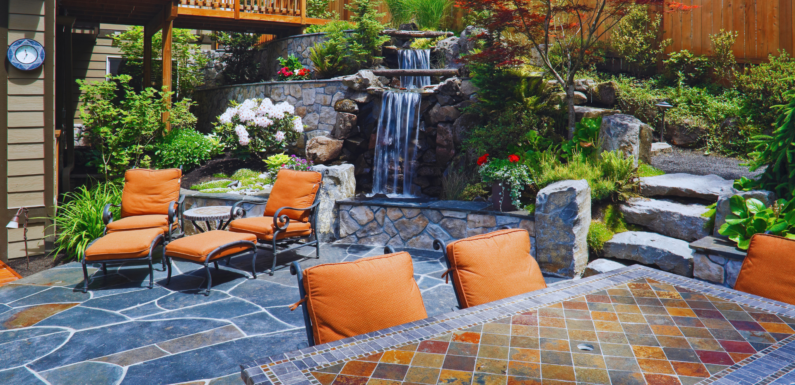
Transforming a garden into a breathtaking landscape can seem daunting, but with the right approach, anyone can achieve stunning results. Effective garden landscaping tips involve understanding the existing environment, choosing the right plants, and creating a balanced design that complements the home. By employing practical strategies, the outdoor space can become a personal oasis.
Attention to detail is crucial in garden landscaping. Characteristic elements such as pathways, water features, and lighting can enhance the aesthetic appeal. Selecting plants that thrive in the local climate while considering their maintenance needs will ensure a thriving landscape throughout the seasons.
Planning plays a key role in successful landscaping. Taking the time to map out the layout before planting saves time and effort later. By incorporating these tips, anyone can elevate their garden design, bringing beauty and function into their outdoor space.
Planning Your Landscape Design
Effective landscape design begins with careful planning. Homeowners must take into account their space, soil conditions, and preferred styles. These elements form the foundation of a successful garden that enhances property value and aesthetic appeal. For those looking for further assistance, can also consider contacting professionals from Royal Gardens, or similar other firms. They can ensure that the homeowner’s vision can be brought to life by transforming the outdoor space into a beautiful refuge. They can also offer advice on plant selection, hardscaping features, and making sure the garden can thrive and remain beautiful throughout the seasons.
Assessing Space and Soil
Before starting any landscaping project, evaluating the available space is crucial. Homeowners should measure the dimensions of their garden and note the sun and shade patterns throughout the day. This information helps in selecting appropriate plants that thrive in specific light conditions.
Key considerations:
- Dimensions: Measure length and width accurately.
- Zoning: Identify sunny and shady areas.
- Access: Consider pathways and maintenance access.
Soil quality plays an equally important role. Discerning whether the soil is sandy, clayey, or loamy will aid in plant selection. Conducting a basic soil test can also reveal pH levels and nutrient content, informing amendments to improve growth conditions.
Choosing a Design Style
The design style should reflect personal preferences and complement the home’s architecture. Various landscape design styles exist, such as:
- Traditional: Features symmetrical layouts with classic flower beds.
- Modern: Focuses on clean lines and minimalistic features.
- Cottage: Emphasizes informal settings with abundant flowers.
Selecting a style guides plant choices, material selection, and overall layout. Homeowners can also consider regional styles that suit local climates and conditions, enhancing the connection between the landscape and the environment.
Doing a Soil Test
Conducting a soil test is a critical step in landscaping planning. This process determines soil pH, nutrient levels, and organic matter content. Homeowners can obtain testing kits from local garden centers or agricultural extension offices.
Steps for a soil test:
- Collect soil samples from various garden areas.
- Follow the kit instructions for preparation.
- Send samples to a lab for comprehensive analysis.
The results will provide insight into necessary amendments, such as lime or fertilizer. Understanding soil conditions ensures the selection of suitable plants, which can thrive and contribute positively to property value while maintaining aesthetic appeal.
Selecting Plants and Elements
When choosing plants and landscape elements, it is essential to consider their compatibility with the local environment and aesthetic goals. The right combination can enhance the beauty and function of a garden, making thoughtful selection crucial.
Incorporating Perennials and Annuals
Perennials and annuals serve distinct roles in a garden. Perennials return year after year, creating a foundation of stability. They require less maintenance once established, making them ideal for long-term landscaping. Examples include hostas, daylilies, and hydrangeas.
Annuals, such as petunias and marigolds, provide vibrant color but must be replanted each year. They can fill gaps and bring seasonal variety. Mixing perennials and annuals allows for a dynamic display, ensuring blooms from spring bulbs to late fall.
Selecting drought-resistant perennials can be especially beneficial in areas with limited water resources.
Utilizing Native Plants
Native plants are well-suited to local climates and soils, promoting biodiversity and reducing upkeep. They attract local pollinators, like bees and butterflies, essential for ecosystem health.
Common native plants include coneflowers, black-eyed Susans, and flowering trees like dogwoods. These plants typically require less irrigation and can thrive with minimal intervention. Their resistance to pests and diseases further enhances their suitability for sustainable gardens.
Incorporating native plants can also reduce the need for fertilizers and pesticides, creating a healthier environment. They blend effectively with various design elements, contributing to the overall harmony of the landscape.
Adding Water Features and Focal Points
Water features, such as ponds or small fountains, can significantly enhance a garden’s atmosphere. They introduce sound and movement, attracting wildlife while providing visual interest. A pond can serve as a habitat for aquatic plants and fish, creating a lively ecosystem.
Choosing the right focal points is crucial for directing attention within the garden. This could include a striking sculpture, a well-placed bench, or even distinctive trees. Focal points should draw the eye and create a sense of balance in the overall design.
Combining water elements with surrounding plants increases the aesthetic appeal, particularly using plants that tolerate moisture.
Designing for Function and Beauty
Creating a harmonious garden involves balancing functionality with visual appeal. Thoughtful planning can enhance outdoor spaces, provide inviting seating areas, and establish vibrant gardens and flower beds.
Creating Functional Outdoor Spaces
Functional outdoor spaces serve multiple purposes, making them valuable additions to any garden. Consider pathways that connect different areas, like seating spots and garden beds, ensuring easy access. Materials should be durable, such as stone or mulch, to withstand wear and weather.
Incorporate features like outdoor kitchens or fire pits for entertaining. For lighting options, there are many varieties of landscape lights to choose from, including wall wash, bollard, and string lights, as well as solar-powered fixtures. These options can enhance the ambiance while providing safety. Using raised beds can also streamline garden maintenance and improve drainage.
Container gardens are versatile; they allow for easy rearrangement and can fit in smaller spaces. Every feature designed should prioritize both aesthetics and usability.
Developing Seating Areas
Seating areas facilitate relaxation and socializing, making them essential in garden design. Ideally, they should offer comfortable seating with options like benches, chairs, or even hammocks. Positioning these areas near garden beds or flower displays allows individuals to enjoy the beauty of nature.
Materials are crucial; weather-resistant options like teak, metal, or treated wood ensure longevity. Adding cushions enhances comfort and color. Consider creating a pergola or shade structure to provide relief from the sun while offering a design element.
Incorporating planters around seating can establish a serene atmosphere. Making it intimate with smaller groups can enhance social interaction, while larger areas can accommodate family gatherings.
Constructing Garden Beds and Flower Beds
Garden beds and flower beds are foundational elements of any landscape. When constructing these features, soil quality is paramount. Amending soil with compost boosts nutrients and drainage for healthy plant growth.
Selecting the right plants can transform the aesthetic. For a cottage garden feel, mix traditional flowers with herbs and vegetables. Layering plants by height can add visual interest, placing taller varieties in the back and shorter ones in front.
Consider vertical garden options to maximize space and add dimension. Raised flower beds or modular planters can provide structure and improve accessibility. Plant spacing should be mindful to prevent overcrowding, ensuring each plant thrives.
Executing and Maintaining Your Landscape
Successful landscaping requires careful execution and ongoing maintenance to ensure lasting beauty and functionality. It involves attention to detail, adaptability to seasonal changes, and a deep understanding of the landscape’s needs, especially after severe weather. Storms can leave behind fallen or weakened trees that pose safety hazards and require immediate action. That’s when Storm damage tree removal becomes essential. This process ensures the safe and efficient removal of hazardous trees, helping to protect your property and maintain a healthy, well-kept landscape.
Implementing the Landscaping Plan
After the design phase, it is time to implement the landscaping plan. This includes preparing the site by clearing out any debris and ensuring good soil quality.
Key steps include:
- Soil preparation: Test soil pH and amend as needed.
- Plant selection: Choose drought-tolerant plants for xeriscaping or vibrant blooms for a colorful display.
- Hardscaping: Install features like a retaining wall for structure or pathways for accessibility.
For do-it-yourself enthusiasts, having the right tools and materials can make all the difference – especially when dealing with leftover debris from hardscaping or structural changes. In these cases, working with top-rated providers of heavy-duty dumpsters can help streamline the cleanup process and keep the project moving smoothly. Furthermore, if you’re working with a professional, collaboration with a landscape designer ensures the final result is cohesive, well-executed, and tailored to your outdoor space.
Ongoing Landscape Maintenance
Regular maintenance is critical for a thriving landscape. This includes watering, pruning, and fertilizing plants according to their specific needs.
Maintenance tasks should include:
- Watering: Implement a consistent schedule, considering the specific water needs of each plant.
- Mulching: Apply mulch to suppress weeds and retain moisture.
- Weed control: Regularly check for and remove weeds to prevent competition for nutrients.
She or he should create a maintenance calendar to track seasonal tasks and consider hiring a garden designer for expert guidance if overwhelmed.
Seasonal Considerations and Year-Round Interest
Landscaping should provide visual interest throughout the year. Different seasons will bring varying needs and focus areas, making it essential to plan for seasonal changes.
Strategies to consider:
- Seasonal plantings: Incorporate perennials that bloom at different times for continuous color.
- Evergreens: Use evergreen plants for structure and greenery during winter months.
- Seasonal decorations: Add elements like ornamental grasses or decorative stones for visual appeal.
Utilizing a variety of plants and hardscape features creates a backyard retreat that remains inviting year-round. Proper planning ensures that the landscape evolves beautifully across seasons.
